
Gold Measurements
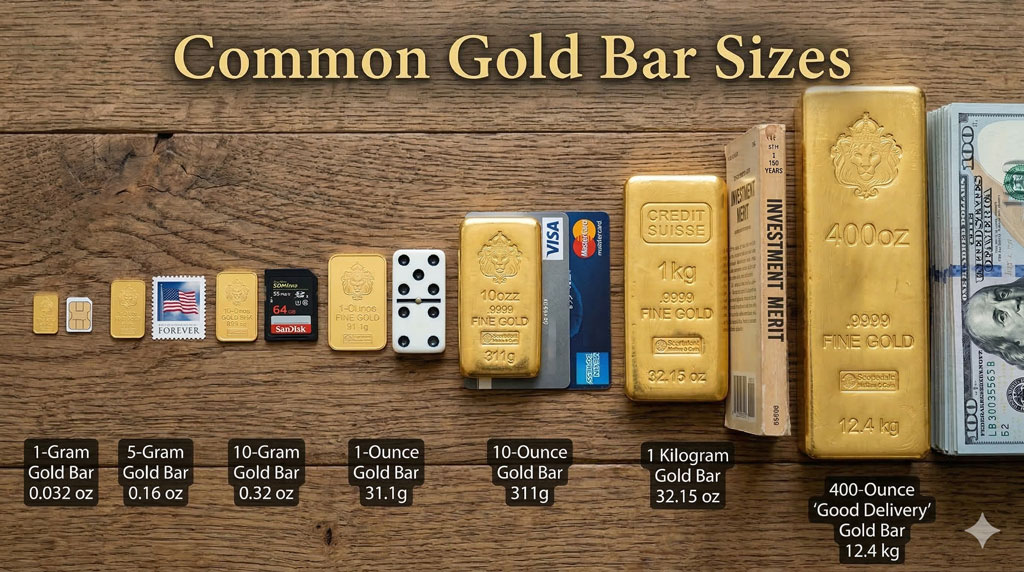
Gold Measurements
When investing in physical gold, one of the most common questions buyers ask is: which gold bar size offers the best value? From small gram bars to larger investment-grade options, each size serves a different purpose. Understanding how the gold bar price per gram changes with weight can help you decide the best gold bar size to buy based on your budget, investment goals, and liquidity needs.

Why Gold Bar Size Matters

Gold bars are priced primarily by weight and purity, but the price per gram varies depending on bar size. Smaller bars often carry higher premiums due to manufacturing and handling costs, while larger bars usually offer better value per gram.
For Dubai investors who prioritise long-term wealth preservation, choosing the right size can significantly impact overall returns.
Gold Bar Price per Gram
The gold bar price per gram typically decreases as bar size increases. This is because:
- Minting and packaging costs are spread over more grams
- Larger bars involve fewer processing steps
- Premiums are lower for high-volume gold
However, a lower price per gram doesn’t always mean “better” for every investor; it depends on how and when you plan to use or sell the gold.
Comparing Popular Gold Bar Sizes
1. Small Gold Bars (1g – 10g)
Best for: First-time buyers, gifting, short-term flexibility
- Higher price per gram
- Easy to liquidate
- Lower entry cost
While convenient, these sizes are usually not the best gold bar size to buy for long-term value due to higher premiums.
2. Medium Gold Bars (20g – 100g)
Best for: Balanced investors
- More favourable price per gram
- Good liquidity
- Easier storage than large bars
This range is often considered the sweet spot for investors seeking value without sacrificing flexibility.
3. Large Gold Bars (250g – 1kg)
Best for: Serious investors and wealth preservation
- Lowest gold bar price per gram
- Ideal for long-term holding
- Strong hedge against inflation
These bars typically offer the best value per gram, but they require higher upfront capital and may be less flexible for partial liquidation.
So, What Is the Best Gold Bar Size to Buy?
There is no single “perfect” size, but there is a best option for your investment strategy:
- Value-focused investors: Larger bars (250g–1kg)
- Balanced portfolios: Mid-sized bars (50g–100g)
- Flexible buyers: Smaller bars (5g–10g)
Many experienced investors diversify across sizes to combine liquidity and cost efficiency.
Gold Bars as Part of a Diversified Metals Strategy
Gold bars are often purchased alongside other precious metals to balance risk and preserve purchasing power. Holding physical gold provides insulation from inflation, currency fluctuations, and market volatility, particularly relevant for UAE-based investors.
Choosing a trusted platform to buy gold and silver ensures transparency in pricing, purity, and weight, key factors when evaluating long-term value.
Final Thoughts
Understanding how gold bar sizes influence the gold bar price per gram is key to deciding the best gold bar size to buy. While larger bars generally offer better value, smaller bars provide flexibility and accessibility. The right choice ultimately depends on your financial goals, capital allocation, and investment horizon.
5oz & 10oz Gold Bars
Due to the variety of gold bars available on the market, investors don’t have to stick with one particular size bar for their collection. In fact, keeping a diverse gold collection can be very useful when trading becomes an option. The 5oz and 10oz .9999 pure gold bars allow investors to obtain a large amount of gold in small packaging
- 1 Gram: 9 × 15 mm (Good for gifting or small budgets).
- 10 Gram: 15 × 25 mm (Popular entry-level investment).
- 1 Troy Ounce (31.1 g): 24 × 41 mm (The most traded size worldwide).
- 100 Gram: Approx. 25 × 45 mm (Offers lower premiums per gram).
- 1 Kilo (1000 g): 80 × 40 × 18 mm (Preferred by institutional investors for wealth preservation).
- 400 Troy Ounce: 210 to 290 × 55 to 85 mm (Central bank “Good Delivery” standard).